Viewing entries in
biosciences

A deep dive into the Ashwagandha frenzy – is it really worth it?

Comment

A deep dive into the Ashwagandha frenzy – is it really worth it?

For those of us that have been chronically online in the last several months and are prone to adopting the newest ‘hacks’ for how to improve our health and lifestyle with every headline we see, the name of one substance is easily recognized - Ashwagandha. This medicinal plant, scientifically known as Withania somnifera, is a staple in Ayurvedic and indigenous medicine and is known by herbalists to have antioxidant, anti-inflammatory, and immunomodulatory effects (Bharti et al., 2016). Recently, there have been claims from users of ashwagandha that they experience immense stress relief, boosted confidence, and increased drive and motivation – seemingly raising the herb to a magical pedestal (Pelc, 2023). 

But, how true are these claims, and is ashwagandha really worth the hype?

Scientifically speaking, several studies affirm that ashwagandha can stimulate cell-mediated immunity, such as killing microorganisms, repairing DNA of an inflamed cell, and increasing the amount of beneficial gut microbiota in the body – thereby working well towards managing immune-suppressed diseases, with the most recent study coupling ashwagandha with COVID-19 immune-boosting (Panda et al., 2021). As an Indian ayurvedic medicinal plant, ashwagandha has also been used to alleviate the symptoms of neurodegenerative disorders and is grown on a commercial scale in several Indian states (Murthy et al., 2010). In fact, somnifera - the formal name for ashwagandha itself - in Latin is an ode to a “sleep-inducer”, which is yet another prominent effect of ashwagandha as a stress reliever (Murthy et al., 2010). 

Where, one might ask, is the doubt here? The biggest difference between the ashwagandha used in herbal care versus Western commercial products is that, based on Ayurveda, herbal preparation, known as “rasayana”, is a long process of creating an elixir that nonspecifically increases human health. In the case of ashwagandha, this most commonly includes boiling the fresh roots of Ashwgandha in milk to extract undesirable minerals (Murthy et al., 2010). However, there aren’t any direct signs that this methodology is used when creating American commercial products, which leads to the question of the efficacy of ashwagandha sold commercially in the United States. 

Recent research does support that ashwagandha use was associated with a decrease in stress and anxiety levels, but it cannot be considered a long-term solution for deeper physical, psychological, or physiological issues (Pelc, 2023). For example, according to nutritionist Brittany Craig at the Mount Sinai Hospital Cancer Center, ashwagandha only has mild to moderate effects on hormone levels, which impact libido, strength, and stress. She notes that claims on social media that place ashwagandha use at a high pedestal can be “misleading”, since their effects are often limited (Pelc, 2023). In addition, studies that show ashwagandha’s positive impacts have only been conducted with small populations and limited durations of under 12 weeks, which may explain why its use as a supplement may not be as commonly accepted as their results suggest (Pelc, 2023). Craig, as well as other researchers, note several studies claiming that while ashwagandha stimulates immune activity, it can have the adverse effect of exacerbating autoimmune diseases. 

Ashwagandha, meaning “smell of the horse” in Sanskrit, may seem to imply that the herb provides the strength and stamina of a horse to those who use it (Thompson, n.d.). However,  giving it the title of a magical pill may be taking it too far. More information should be publicized on the proper uses and expectations of ashwagandha so that its users (both current and potential) experience the most accurate benefits to their health.

References

Bharti, V. K., Malik, J. K., & Gupta, R. C. (2016, February 19). Ashwagandha: Multiple health benefits. Nutraceuticals. https://www.sciencedirect.com/science/article/abs/pii/B9780128021477000528 

Murthy, M. R. V., Ranjekar, P. K., Ramassamy, C., & Deshpande, M. (1970, January 1). Scientific basis for the use of Indian Ayurvedic medicinal plants in the treatment of neurodegenerative disorders: 1. ashwagandha. Latest TOC RSS. https://www.ingentaconnect.com/content/ben/cnsamc/2010/00000010/00000003/art00004 

Panda, A. K., & Kar, S. (2021). Ayurvedic immuno booster: Is it myth or reality in COVID-19 pandemic. International Journal of Current Research and Review, 13(01), 134–140. https://doi.org/10.31782/ijcrr.2021.13140 

Pelc, C. (2023, October 24). Ashwagandha: Does it really lower stress and benefit health?. Medical News Today. https://www.medicalnewstoday.com/articles/how-accurate-are-the-claims-about-ashwagandhas-benefits 

Thompson, K. (n.d.). Ashwagandha monograph. HerbRally. https://www.herbrally.com/monographs/ashwagandha#:~:text=The%20common%20name%20comes%20from,who%20take%20it%20(5).
Comment


Bio-Art: The Cross Between Science and Art

Comment

Bio-Art: The Cross Between Science and Art

When thinking about works of art, science may be the complete opposite of what comes to mind. But bio-art, a genre of art categorized by its avant-garde methods of displaying life, is bridging the gap between these two seemingly unrelated areas. Often, these artists collaborate with scientists and labs to express beauty or provoke thought through biotechnology, using techniques such as cell culturing and genomic editing to create art.

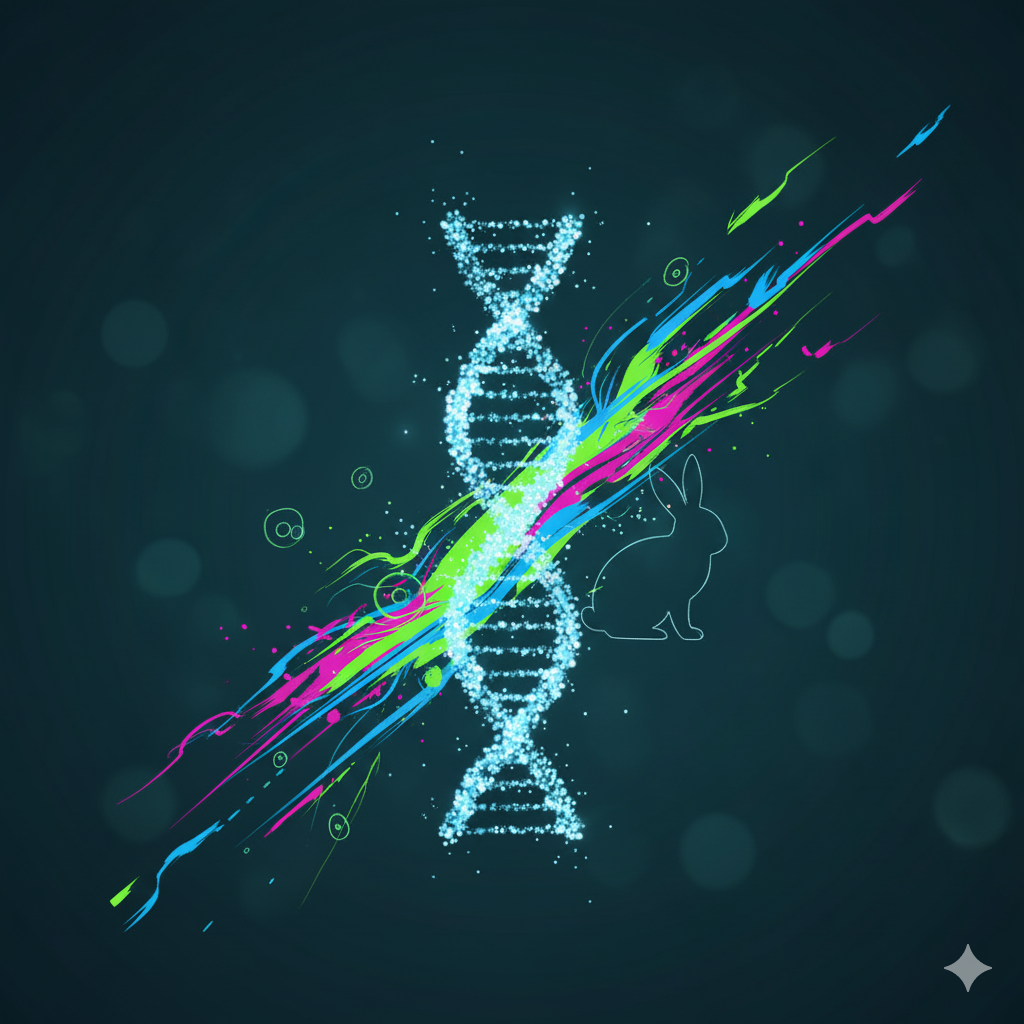
One of the earlier and most impactful pieces of bio-art was Eduardo Kac’s GFP Bunny, which was a rabbit by the name of Alba who glowed green through the use of genetic engineering. In order for Alba to be created, Kac worked with a biological research laboratory. This prompted questions about where the credit was due and how the life forms used are treated, not only for GFP Bunny but also for other major works of bio-art that require collaboration between different fields. This work has sparked much dialogue on the ethics and moral implications of bio-art and has been referenced in shows such as Big Bang Theory, the Simpsons, and Sherlock. 

Another prominent bio-art piece is a work titled Victimless Leather, created by artists and researchers Oron Catts and Ionat Zurr. Both artists were research fellows at Harvard Medical School before turning their attention to bio-art. In this piece, cell lines are used to culture tissue on a jacket shaped polymer matrix, a process very similar to the way that artificial organs are grown. The work is meant to explore the potential consequences of using biotechnology for commercial purposes and prompt reflection on the sources of the clothes we wear. Among Catts and Zurr’s other innovative bio-art pieces are Semi-living Worry Dolls, Better Dead Than Dying, and Stir Fly: Nutrient Bug 1.0

With many works of bio-art comes discussion about its ethics. Should any form of life be used in art? Where do we draw the line when it comes to using life in art? Is bio-art taking away from resources that could be used to further biomedical research? Certainly an argument can be made in favor of bio-art because it can draw attention to existing biological controversies like animal testing, genomic editing, and cell culturing (although, on the other hand, this could be done through other mediums.) Bio-art may have the capability to increase public awareness of what goes on in biological research laboratories, but some may believe that this form of art often feeds into what its artists are supposedly fighting against.

While the ethics of bio-art remain a big question, this relatively new form of art has been connecting society with research laboratories through the creation of what could be considered emotional, shocking, and even disgusting projects. At its most basic level, bio-art is about not only aesthetics, but also provoking discussion and thought surrounding difficult but important topics.

References

GFP bunny. (n.d.). https://www.ekac.org/gfpbunny.html 

Victimless Leather. The Tissue Culture & Art Project. (n.d.). https://tcaproject.net/portfolio/victimless-leather/ 

What is Bio Art?. ARTDEX. (n.d.). https://www.artdex.com/what-is-bio-art/

Comment


Blue Blood: How Horseshoe Crabs Revolutionized Medicine

Comment

Blue Blood: How Horseshoe Crabs Revolutionized Medicine

Endotoxins are contaminants in the cell walls of some bacteria [4]. Medications and vaccines intravenously given to patients that may contain these endotoxins pose a risk of serious infection, septic shock, and death. Researchers and manufacturers initially avoided this catastrophe with animal testing on rabbits, but in the 1970's a new endotoxin detection solution was found in organisms older than dinosaurs: horseshoe crabs [3].


Horseshoe crabs are not actually crabs, but arthropods, like spiders and scorpions [2]. A blue, blood-like fluid called hemolymph flowing through the bodies of these "living fossils" is the key to testing all injectable drugs for endotoxins. This is because the blue hemolymph contains special immune system cells, called amebocytes, that are extra sensitive to molecules found in endotoxins, called lipopolysaccharides (LPS) [1]. Researchers have used these special cells to develop Limulus amebocyte lysate (LAL). 


LAL is named after North America's horseshoe crab species (Limulus polyphemus)[2], the special cells in their hemolymph (amebocytes), and the process used to make the compound (lysis, or breaking down, of the amebocyte cells). When LAL comes in contact with endotoxins secreted by bacteria, a sequence of reactions, called a coagulation cascade, occurs between proteins. This cascade ends in the activation of a protein called coagulogen which is turned into a gel called coagulin. This protein-gel forms visible clots, which are used to identify bacterial contamination of medical supplies from water and catheters to transplantable tissues and COVID-19 vaccines [1].


In order to synthesize LAL, scientists have to catch and drain the blood of about half a million horseshoe crabs. Of these crabs, only about 87% are returned to the ocean, after which about 15% to 30% of the creatures die due to blood loss and the disorienting amount of time spent outside of their aquatic environment. Overall, it is estimated that 130,000 horseshoe crabs are killed by this process each year [3].


Because of this harm to horseshoe crabs, and high demand for LAL, synthetic alternatives have been in development. One group of researchers used horseshoe crab DNA to make an alternative that fluoresces when it comes in contact with endotoxins present in contaminated medical supplies like vaccines, drugs, and syringes. Beyond taking stress off of horseshoe crabs, this synthetic alternative may also return more reliable results. Because horseshoe crab hemolymph and LAL react to many more molecules than just LPS from endotoxins, samples of drugs may clot even if they are not contaminated, but the synthetic alternative reacts more specifically to endotoxins [3]. 


Horseshoe crabs and their blue "blood" have been essential to the pharmaceutical industry. But, after half a century of harvesting the creatures for their hemolymph, synthetic alternatives may modernize endotoxin detection while sparing the horseshoe crabs.


  1. Ashrafuzzaman, M.; Razu, M. H.; Showva, N.-N.; Bondhon, T. A.; Moniruzzaman, M.; Rahman, S. A.; Rabby, M. R.; Akter, F.; Khan, M. Biomolecules of the Horseshoe Crab’s Hemolymph: Components of an Ancient Defensive Mechanism and Its Impact on the Pharmaceutical and Biomedical Industry. Cellular Microbiology 2022, 2022, 1–17.

  2. Horseshoe Crab. https://www.nwf.org/Educational-Resources/Wildlife-Guide/Invertebrates/Horseshoe-Crab (accessed Nov 14, 2022).

  3. Maloney, T.; Phelan, R.; Simmons, N. Saving the Horseshoe Crab: A Synthetic Alternative to Horseshoe Crab Blood for Endotoxin Detection. PLOS Biology 2018, 16 (10).

  4. Tamura, H.; Reich, J.; Nagaoka, I. Outstanding Contributions of Lal Technology to Pharmaceutical and Medical Science: Review of Methods, Progress, Challenges, and Future Perspectives in Early Detection and Management of Bacterial Infections and Invasive Fungal Diseases. Biomedicines2021, 9 (5), 536.

  5. Jimenez, Darcy. Pharma’s reliance on horseshoe crabs is threatening the species. Pharmaceutical Technology. https://www.pharmaceutical-technology.com/features/pharma-horseshoe-crabs-threatening-species/ (accessed Aug 8, 2023)

Comment


Don’t Let the Pressure Get to You: Decompression Sickness

Comment

Don’t Let the Pressure Get to You: Decompression Sickness

It is hard to imagine that making bubbles could be anything more than a fun and innocent childhood activity. When you think of bubbles, the first thing to pop into your mind may be a line of kids running across a field with bottles of soapy water, outstretched arms, and laughter. Yet, in a much different context (i.e. the vacuum of space), making bubbles is a dangerous process that can occur in the body and can lead to a condition known as decompression sickness.

Before learning about decompression sickness (DCS) in outer space, let us view it in a more familiar context here on Earth: scuba diving. As a scuba diver descends further and further below the surface of the water, the pressure rises around them[1]. This increase in pressure occurs because the deeper one goes, the “more” water is on top of them. It turns out that as pressure increases, the scuba diver breathes in more air molecules than they typically do because high pressures cause the air to be compressed. The additional oxygen from this extra air can be used by the body, but the additional nitrogen molecules in the air accumulate in the body [2]. The high pressure essentially allows for the nitrogen molecules to become dissolved, but that changes when the scuba diver returns to the surface [3]. As the diver ascends and the pressure decreases, the nitrogen will try to escape their body, and whatever is not expired ends up turning into nitrogen bubbles inside the body [2],[3].These bubbles are dangerous, as they can cause inflammation that leads to pain in muscles/joints and even obstruct blood vessels [2]. In the case of a diver experiencing DCS, one treatment option is hyperbaric oxygen therapy through a hyperbaric chamber. Essentially, in this treatment option, the affected person will sit in a chamber at a high initial pressure and the pressure will gradually decrease (allowing the nitrogen to freely exit the body rather than forming bubbles) [1].

The effects of DCS are not merely restricted to diving. Space is a very low-pressure environment, so special concerns related to DCS must be taken into account by astronauts. The pressure of the International Space Station (ISS) is 14.7 psi, which is about the same atmospheric pressure experienced at sea level on Earth. So if an astronaut has to exit the ISS in order to participate in extravehicular activity, there would be a drop in pressure [4]. To counteract the negative effects this may have, prior to leaving for their spacewalk, astronauts undergo a special breathing regimen consisting of 100% oxygen [4]. This prevents nitrogen gas from forming bubbles in the body since, hypothetically, there would be no nitrogen gas in the body. Such a measure is important as it helps prevent astronauts from having to experience DCS in space.

Pressure really can affect the body extensively, especially in the context of DCS. Thankfully, there are methods and interventions to help prevent and alleviate issues arising from it. So, the next time you see children playing with bubbles, don’t forget how bubbles can turn out to be harmful to the body. You can pass on telling them about it though; they’re probably not in any high pressure stakes at the moment. 

References

  1. Healthwise staff. U of M Health. https://www.uofmhealth.org/health-library/abo0894 (accessed February 2022).

  2. Moon, Richard E. Merck Manual Consumer Version. https://www.merckmanuals.com/home/injuries-and-poisoning/diving-and-compressed-air-injuries/decompression-sickness (accessed February 2022)

  3. Cooper, Jeffrey S.; Hanson, Kenneth C. Decompression Sickness. In StatPearls; StatPearls Publishing; Treasure Island (FL), updated 2021. https://www.ncbi.nlm.nih.gov/books/NBK537264/ (accessed February 2022)

  4. Canadian Space Agency. https://www.asc-csa.gc.ca/eng/astronauts/space-medicine/decomp.asp (accessed February 2022)

  5. NASA-Imagery / 29 images. Pixabay. https://pixabay.com/photos/space-walk-astronaut-nasa-aerospace-991/ (accessed February 2022)

Comment


Composting: Fad Trend, or Way to Give New Life to Food Waste?

Comment

Composting: Fad Trend, or Way to Give New Life to Food Waste?

We produce a lot of trash. This sheer amount of waste produced places enormous pressure on waste management systems. In response, composting aims to provide a way of decreasing food waste and has steadily grown in popularity over the past decade. Sometime over the last few semesters, you’ve probably seen the Moonshot composting bins accompanied by instructional posters by the trash cans in the serveries. The mission of Moonshot Compost Services is to divert excess food from landfills and return the nutrients back to the soil [1]. Rice students are welcomed to be a part of this mission by discarding their plates, food, and any other acceptable biodegradable items into a Moonshot composting bin.

Let’s zoom out from our campus and take a look at large-scale composting operations as a whole. What is the fate of the food waste once it’s out of our hands?

Once compost is collected and sent off for processing, there are a few commercially viable methods in practice to break it down into usable organic materials: windrow, aerated stack pile, and in-vessel composting [2]. In windrow composting, compost is piled in long rings and the organic material is rotated at regularly occurring intervals. Downsides of this method include the need for large amounts of land and constant supervision of the composting process. In aerated stack pile composting, wood chips are layered in with the compost to create spaces for airflow throughout the compost pile; pipes are often used to provide an upward stream of air from the base of the pile. Although this method is able to degrade compost fairly quickly, the machinery and equipment required to set up the system are quite expensive and labor-intensive. Finally, in-vessel composting shifts away from exposing compost to open air and opts to place compost into a temperature- and moisture-controlled environment within a container. This in-vessel composting may turnout compost quicker than the other two methods, but is fairly expensive [3].

If done in an efficient manner, these methods of composting food waste can provide a viable and continuous pipeline from food waste to nutrient-rich soil that can be used to grow crops. A key take away from all of this is that regardless of the method used for composting, there are some drawbacks to the composting process, whether it be high costs, large amounts of land use, or the production of foul odors (yikes!). Zooming back into our campus serveries, it’s important to recognize that although we don’t have control over what exactly happens to our compost, decreasing the amount of food waste by taking advantage of our Moonshot bins is an easy way to decrease Rice’s waste.

References

[1] Impact. Retrieved November 5, 2021, from http://www.moonshotcompost.com/impact/.

[2] Alexander, G. How commercial composting works. Retrieved November 5, 2021, from https://earth911.com/business-policy/how-commercial-composting-works/.

[3] Sustainable Management of Food: Types of Composting and Understanding the Process. Retrieved November 5, 2021, from http://www.epa.gov/sustainable-management-food/types-composting-and-understanding-proces s#aeratedstatic.

[4] Image: https://images.app.goo.gl/3oPXQsGWQVnNS1858

Comment